




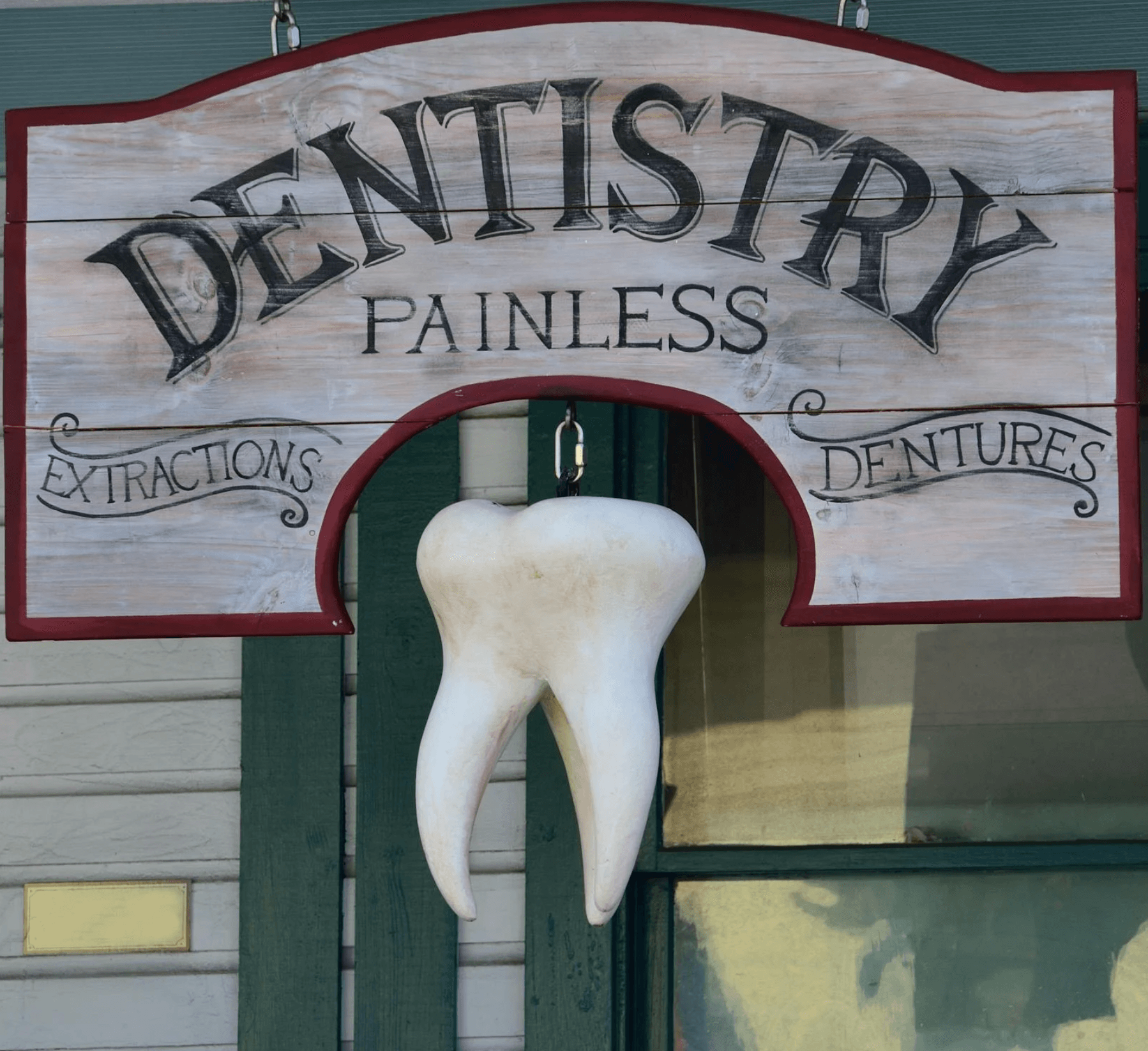
Wisdom teeth, or third molars, are the last set of teeth that typically emerge in the back of the mouth during late adolescence or early adulthood (usually between the ages of 17 and 25). While some people have no issues with their wisdom teeth, many experience problems that require their removal. In this blog, we’ll explore the common reasons why wisdom teeth need to be removed and how getting them extracted can improve your oral health.
What Are Wisdom Teeth?
Wisdom teeth are the third and final set of molars located at the back of the mouth. These teeth are remnants of our evolutionary past, when our ancestors had larger jaws and needed extra teeth to chew a more coarse diet, such as plants and raw meat. Over time, human jaws have become smaller, and in many cases, there is simply not enough room for wisdom teeth to properly emerge, causing a range of dental problems.
Reasons for Wisdom Tooth Removal
While not everyone will experience issues with their wisdom teeth, many people require them to be extracted due to the following reasons:
1. Impacted Wisdom Teeth
One of the most common reasons for wisdom tooth extraction is impaction. When there is not enough space in the mouth for the wisdom teeth to fully emerge or align with the other teeth, they become “impacted.” Impacted wisdom teeth can remain trapped beneath the gum line or emerge at an angle, causing pain, swelling, and infection. In some cases, the tooth may push against neighboring teeth, causing misalignment and discomfort.
If left untreated, impacted wisdom teeth can lead to more serious complications, including tooth decay, gum disease, and cysts. Removing impacted wisdom teeth can prevent these issues and improve oral health.
2. Crowding or Misalignment of Teeth
If your wisdom teeth do manage to emerge but do so at an awkward angle, they can cause crowding and misalignment of your other teeth. This can undo the work done by orthodontic treatments such as braces, leading to crooked teeth and bite issues. In some cases, wisdom teeth may push on neighboring teeth, resulting in damage or the shifting of teeth, which may require further orthodontic work to correct.
Removing wisdom teeth before they fully emerge can prevent unnecessary crowding and maintain the alignment of your teeth.
3. To Prevent Infection and Gum Disease
Wisdom teeth that are only partially erupted through the gums are more prone to infection. When a tooth doesn’t fully break through, a flap of gum tissue may cover part of the tooth, creating a space where food particles and bacteria can accumulate. This can lead to an infection called pericoronitis, which causes pain, swelling, and even difficulty opening your mouth.
Additionally, wisdom teeth are harder to clean properly due to their location at the back of the mouth. This makes them more susceptible to cavities and gum disease. If left untreated, this can lead to serious oral health problems. Removing wisdom teeth can reduce the risk of infections and help maintain better overall oral hygiene.
4. Cysts or Tumors
In rare cases, wisdom teeth can cause the development of cysts (fluid-filled sacs) or even tumors in the jawbone. These cysts can damage surrounding teeth, bone, and nerves. Although rare, these types of growths can become problematic and require surgical removal. In some cases, removing the wisdom teeth early can prevent the development of cysts or tumors and avoid the need for more extensive surgery.
5. Pain or Discomfort
Wisdom teeth often cause pain, especially when they’re impacted or erupting improperly. This discomfort can manifest as soreness in the jaw, tender gums, or a general aching sensation. In some cases, the pain can become unbearable, and the wisdom teeth need to be extracted to relieve the discomfort.
If wisdom teeth are causing persistent pain or discomfort that doesn’t improve, it’s a sign that removal may be necessary.
6. Preventing Future Problems
Even if your wisdom teeth are not causing immediate pain or discomfort, it’s often recommended to remove them as a preventive measure. If there’s not enough space in the jaw for them to emerge properly, they could lead to future problems down the line. Extracting them early (typically in your late teens or early twenties) can prevent complications and ensure that your oral health remains intact in the long term.
The Benefits of Wisdom Tooth Removal
The decision to have your wisdom teeth removed offers several benefits, including:
Relief from pain and discomfort: Wisdom teeth that are impacted, infected, or causing alignment issues can be a source of ongoing pain. Removal eliminates this source of discomfort.
Prevention of future dental issues: Removing wisdom teeth before they cause problems can save you from more serious dental complications like infection, gum disease, or tooth misalignment.
Improved oral health: After the extraction, your risk of developing cavities, gum disease, and other oral health issues is reduced, particularly if your wisdom teeth were difficult to clean or prone to infection.
Maintaining a healthy bite and smile: By preventing wisdom teeth from causing crowding or misalignment, you can preserve the alignment of your teeth and maintain a healthy, straight smile.
When Should You Have Your Wisdom Teeth Removed?
The best time to remove wisdom teeth is before they fully emerge and before they cause significant problems. Typically, this is between the ages of 17 and 25, when the teeth are still developing, and the recovery process is faster and easier. However, some people may not experience any issues with their wisdom teeth and can keep them well into adulthood without needing extraction.
Your dentist or oral surgeon will evaluate your teeth and provide a recommendation based on your individual situation. They may take X-rays to assess the position of the wisdom teeth and determine whether removal is necessary.
What to Expect During Wisdom Tooth Removal
Wisdom tooth extraction is a common procedure performed by a dentist or oral surgeon. The procedure can be done under local anesthesia (numbing the area), sedation, or general anesthesia, depending on the complexity of the extraction and the patient’s preference. After the procedure, patients may experience some swelling and discomfort, but this can usually be managed with pain medications and ice packs.
Most people recover within a few days to a week after wisdom tooth extraction, although it may take longer if the teeth were impacted or if there were complications during the procedure. Following the post-operative care instructions provided by your dentist will help ensure a smooth recovery process.
Conclusion: The Importance of Wisdom Tooth Removal
While not everyone needs to have their wisdom teeth removed, it’s important to understand the potential problems that can arise when they are left untreated. Impacted teeth, infections, misalignment, and pain are just a few of the common issues associated with wisdom teeth. Early removal can help prevent these complications and maintain your oral health for years to come.
If you’re unsure whether your wisdom teeth should be removed, talk to your dentist or oral surgeon. They can evaluate your situation and recommend the best course of action based on your unique dental needs. Taking care of your wisdom teeth now can save you from potential pain and future dental problems, keeping your smile healthy and bright!

0 Comments