




Finding the right dentist is essential for maintaining your oral health and ensuring that your dental care experience is comfortable and effective. Whether you are looking for a new dentist or are seeking one for your family, it’s important to know what to look for when making this decision. In this blog, we will guide you through the key factors to consider when choosing a dentist, so you can make an informed choice that suits your needs.
1. Credentials and Qualifications
The first thing you should check is the dentist’s qualifications. You want to ensure that the dentist is properly trained and licensed to practice in your state. Here’s what to look for:
- Licensing: A licensed dentist has completed the required education and training to practice safely and effectively. You can check this through your state’s dental board.
- Education and Training: Most dentists graduate from accredited dental schools and often pursue additional certifications or continuing education in specific areas of dentistry.
- Specialization: Depending on your needs, you may want to look for a dentist with expertise in specific areas like cosmetic dentistry, orthodontics, pediatric care, or implants.
2. Reputation and Reviews
A dentist’s reputation can tell you a lot about the quality of care they provide. Reading reviews from other patients is a great way to gauge how well the dentist treats their patients and whether they meet your expectations.
- Online Reviews: Websites like Google, Yelp, and Healthgrades provide reviews that can give you insights into patient satisfaction. Look for dentists with consistently positive feedback, especially regarding professionalism, cleanliness, and customer service.
- Word of Mouth: Ask friends, family, or colleagues for recommendations. Personal referrals are often the most reliable way to find a dentist you can trust.
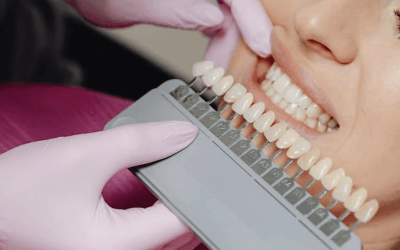
- Before-and-After Photos: For cosmetic dentistry, ask to see before-and-after photos of previous patients. This gives you a clearer idea of the dentist’s skills, especially if you’re considering treatments like teeth whitening, veneers, or braces.
3. Location and Convenience
Consider the location of the dentist’s office. You’ll want to choose a dentist whose office is conveniently located, whether it’s close to your home, work, or school.
- Proximity: A nearby dentist means you’re less likely to skip appointments or experience long delays due to travel time. It’s also more convenient in case of emergencies.
- Office Hours: Make sure the dentist’s office hours fit your schedule. If you work long hours, look for a dentist who offers evening or weekend appointments.
4. Services Offered
Dentists often specialize in different areas of care, and some may offer a broader range of services than others. It’s important to consider the dental services you need now and in the future.
- General Dentistry: Most people need a general dentist who can provide basic dental services such as cleanings, fillings, checkups, and preventive care.
- Specialty Services: If you need a specific procedure, like orthodontics, cosmetic dentistry (veneers, whitening), or implant services, make sure the dentist offers those services or can refer you to a trusted specialist.
- Emergency Care: In case of dental emergencies (e.g., a knocked-out tooth, severe pain), find out if the dentist provides emergency services or has a plan for handling urgent issues.
5. Technology and Equipment
Dentistry is constantly evolving, and new technologies make it easier to diagnose, treat, and prevent dental issues. When looking for a dentist, consider the technology they use in their practice.
- Digital X-rays: Digital X-rays use less radiation and provide clearer images than traditional X-rays. They’re also faster and more environmentally friendly.
- Laser Dentistry: Laser technology can be used for a variety of procedures, including gum treatment, cavity removal, and teeth whitening, offering a less invasive and more comfortable experience.
- Intraoral Cameras: Some dentists use intraoral cameras to show you images of your teeth in real-time, so you can better understand any issues and the recommended treatments.
6. Comfort and Communication
Your dentist should make you feel comfortable, both during the treatment process and when discussing your oral health. A dentist who is patient and communicates well with you can greatly improve your experience.
- Friendly and Supportive Staff: The dental office staff should be friendly, knowledgeable, and ready to assist you with scheduling, insurance questions, and any other concerns.
- Patient Communication: A good dentist should explain procedures and treatment options clearly, allowing you to make informed decisions about your care. They should take the time to answer your questions and ensure you understand your treatment plan.
- Pain Management: Ask about how the dentist handles pain management. It’s important that your dentist uses modern methods to ensure that your treatments are as pain-free as possible.
7. Insurance and Payment Options
Dental care can be expensive, so it’s important to consider how your dentist handles payments and whether they accept your insurance.
- Insurance Plans: Check if the dentist accepts your dental insurance plan. If they don’t, ask if they offer any financial assistance or payment plans.
- Out-of-Pocket Costs: If you don’t have insurance, ask about the cost of various treatments and whether they offer payment plans, financing options, or discounts for paying upfront.
- Transparent Pricing: The dentist should be upfront about pricing and billing, ensuring that you’re not faced with unexpected charges.
8. Approach to Preventive Care
A good dentist places a strong emphasis on preventive care, helping you avoid more serious dental issues in the future. Preventive care includes regular cleanings, checkups, and educational guidance on how to maintain healthy teeth.
- Education on Oral Hygiene: The dentist should provide tips on brushing, flossing, and diet to help you maintain your oral health.
- Preventive Treatments: Ask about preventive treatments like sealants, fluoride treatments, or oral cancer screenings, which can help catch problems early and prevent future issues.
9. Patient Comfort and Environment
Visiting the dentist shouldn’t be a stressful experience. Look for a dentist’s office that is clean, welcoming, and designed to make you feel at ease.
- Office Atmosphere: A clean, well-maintained office with a welcoming atmosphere can help alleviate any anxiety you might have about dental visits.
- Children-Friendly: If you have kids, consider a dentist who has experience working with children and offers a kid-friendly office with activities or toys to keep them entertained.
10. Emergency Care and After-Hours Availability
Dental emergencies can happen at any time, so it’s essential to know if your dentist is available during emergencies. Some practices offer after-hours care or have a plan for referring you to an emergency dentist when necessary.
Conclusion
Choosing the right dentist is about finding someone who meets your needs, provides high-quality care, and makes you feel comfortable. By considering factors such as qualifications, reputation, services offered, communication style, and comfort level, you can ensure that your dental health is in good hands.
At Vera Dental Clinic, we pride ourselves on housing only the best dentists in the South. Here, we ensure that not only do our dentists have the skills and expertise to get things done, but they also possess the friendly and accommodating personalities that make every visit a positive experience. Your smile deserves the best care, and at Vera Dental Clinic, we’re committed to providing you with exceptional service in a warm, welcoming environment.
Take your time to research and choose a dentist who makes you feel confident in their abilities, and we invite you to visit us for a dental care experience that exceeds your expectations.

0 Comments