




As a parent, one of the most important things you can do for your child’s overall health is to teach them good dental habits early on. Healthy teeth and gums set the foundation for a lifetime of smiles, and with the right care, your child can avoid common dental issues like cavities, gum disease, and tooth sensitivity. Here are some of the best habits to teach your children to ensure they grow up with healthy, strong teeth.
1. Start Brushing Early
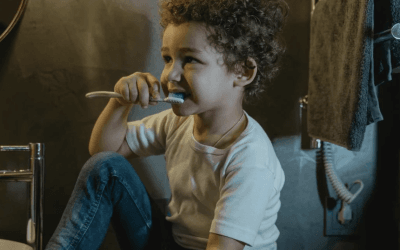
It’s never too early to start brushing your child’s teeth. As soon as your baby’s first tooth appears, you should begin brushing with a soft-bristled toothbrush and a tiny amount of fluoride toothpaste. For younger children, you can use a washcloth or a finger toothbrush to gently clean their teeth and gums. As your child grows, teach them to brush their teeth twice a day—once in the morning and once before bedtime. Make sure they brush for at least two minutes to ensure a thorough clean.
2. Teach Proper Brushing Technique
It’s not just about brushing, but about brushing the right way! Show your child how to hold their toothbrush at a 45-degree angle to their gums and gently brush in circular motions. This helps to remove plaque and food particles from the surfaces of their teeth and gums. Make sure to cover all areas—front, back, and chewing surfaces—so that no part of their mouth is left unclean. You can also use a timer or an app to make brushing fun and ensure that they brush for the full two minutes.
3. Floss Daily
Flossing is an important part of a good dental routine. Teach your child how to floss once their teeth start to touch each other (usually around the age of 2 or 3). Flossing helps to remove food particles and plaque that a toothbrush can’t reach, especially between the teeth. Start by helping them floss and gradually let them take over as they get older. Make it a fun and regular habit by flossing together as a family.
4. Limit Sugary Snacks and Drinks
One of the leading causes of tooth decay is the frequent consumption of sugary foods and drinks. Teach your child to avoid sugary snacks like candy, cookies, and sugary beverages like soda, juice, and energy drinks. Instead, encourage healthy snacks such as fruits, vegetables, and dairy products. If they do indulge in sweets, make sure they brush their teeth afterward to reduce the risk of cavities. Drinking water is a great alternative to sugary drinks and helps rinse away food particles.
5. Visit the Dentist Regularly
Regular dental checkups are essential for maintaining oral health and catching any potential problems early. Take your child to the dentist for their first visit by their first birthday or within six months of their first tooth emerging. After that, they should visit the dentist every six months for routine exams and cleanings. Use these visits as an opportunity to teach your child that dentist visits aren’t scary—they’re a normal part of staying healthy!
6. Use a Mouthguard for Sports
If your child participates in sports or activities where they might get hit in the mouth, make sure they wear a mouthguard to protect their teeth from injury. A custom-fitted mouthguard from your dentist can provide better protection than a store-bought one and help prevent broken or knocked-out teeth.
7. Teach the Importance of Avoiding Thumb Sucking and Pacifiers
Thumb sucking and prolonged use of pacifiers can lead to dental issues such as misalignment of teeth and jaw problems. While it’s normal for babies and toddlers to suck their thumbs or use a pacifier, it’s important to gently encourage them to stop this habit as they approach age 4. The longer these habits continue, the higher the risk of dental problems down the road.
8. Encourage Drinking Water
Water is not only essential for overall health, but it’s also great for your child’s teeth! Encourage your child to drink plenty of water throughout the day, especially after meals. Water helps wash away food particles and bacteria in the mouth and keeps the gums hydrated. Plus, drinking fluoridated water can help strengthen tooth enamel and protect against cavities.
9. Lead by Example
Children learn by watching their parents, so make sure you’re setting a good example when it comes to oral care. Show your child that you also prioritize brushing, flossing, and visiting the dentist regularly. When they see you taking care of your own teeth, they’ll be more likely to follow suit. You can also turn dental care into a family activity—brushing and flossing together makes the process more fun and less of a chore.
10. Make Dental Care Fun
The more fun you make dental care, the more your child will want to take care of their teeth! Choose toothbrushes with fun designs or their favorite characters, use flavored toothpaste they enjoy, and play music or sing songs while brushing. There are also many apps and videos that can make brushing a more enjoyable and interactive experience.
Conclusion
Building good dental habits early on can help your child develop a positive attitude toward oral health and set them up for a lifetime of healthy smiles. By teaching them to brush and floss regularly, limit sugary snacks, and visit the dentist often, you’ll be giving them the tools they need to maintain great dental hygiene. Encourage your child to take pride in their smile, and they’ll thank you for it as they grow!

0 Comments