




Periodontitis, a serious gum infection that damages the soft tissue and bone supporting your teeth, is a common dental issue that can lead to tooth loss if left untreated. Fortunately, periodontitis is preventable with proper oral hygiene and lifestyle changes. By taking proactive steps, you can reduce your risk of developing this condition and maintain a healthy, beautiful smile. Here’s everything you need to know about preventing periodontitis.
1. Brush Your Teeth Twice a Day
One of the most important steps in preventing periodontitis is brushing your teeth thoroughly at least twice a day. Brushing helps to remove plaque—a sticky film of bacteria that forms on your teeth. If plaque is not removed, it can harden into tartar, which irritates the gums and can lead to gingivitis, the earliest stage of gum disease.
Use a soft-bristled toothbrush and fluoride toothpaste to gently clean all surfaces of your teeth, including the fronts, backs, and chewing surfaces. Don’t forget to brush your tongue as well, as bacteria can accumulate there too.
2. Floss Daily
Brushing alone is not enough to remove all the food particles and plaque from between your teeth and along the gum line. This is where flossing comes in. Flossing helps to remove debris and plaque from areas that a toothbrush can’t reach, reducing the risk of gum disease.
Make it a habit to floss daily, gently sliding the floss between your teeth and moving it up and down to remove any buildup. If traditional floss is difficult for you to use, consider alternatives like floss picks, water flossers, or interdental brushes.
3. Use Antimicrobial Mouthwash
In addition to brushing and flossing, using an antimicrobial mouthwash can help kill bacteria in your mouth that contribute to plaque buildup and gum inflammation. Look for mouthwashes that contain fluoride or antimicrobial agents like chlorhexidine, which can help reduce the bacteria that cause gum disease.
Mouthwash is not a substitute for brushing and flossing, but it can be a useful addition to your daily oral hygiene routine. It can also freshen your breath and give your gums an extra layer of protection against infection.
4. Visit Your Dentist Regularly
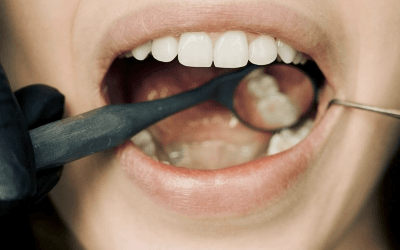
Regular dental checkups and cleanings are essential for preventing periodontitis. Your dentist or hygienist can detect early signs of gum disease, even before you notice symptoms, and take action to prevent the condition from progressing. Professional cleanings remove plaque and tartar that may have built up despite your best efforts at home.
Your dentist will also evaluate your gum health, checking for signs of inflammation, recession, or pockets between your teeth and gums that indicate gum disease. Depending on your oral health, your dentist may recommend more frequent visits.
5. Quit Smoking or Using Tobacco Products
Smoking and using other tobacco products significantly increase your risk of developing periodontitis. Tobacco use weakens your immune system and makes it harder for your gums to heal from infection. Smoking also reduces blood flow to your gums, which impairs their ability to fight off bacterial growth.
Quitting smoking or using tobacco products is one of the best things you can do for your gum health. Not only will it reduce your risk of periodontitis, but it will also improve your overall health.
6. Eat a Balanced Diet
A healthy, balanced diet plays a crucial role in maintaining strong, healthy gums. Eating foods rich in vitamins, especially vitamin C, helps support your immune system and encourages gum tissue repair. Vitamin C deficiency can lead to gum problems, including bleeding and inflammation.
Make sure to include plenty of fruits and vegetables, lean proteins, whole grains, and healthy fats in your diet. Reducing your intake of sugary foods and drinks is also important, as sugar feeds harmful bacteria in your mouth that contribute to gum disease.
7. Manage Your Stress
Believe it or not, stress can affect your gum health. Chronic stress weakens your immune system and makes it harder for your body to fight off infections, including those that affect your gums. High levels of stress can also lead to unhealthy habits like smoking or neglecting your oral hygiene routine.
Managing stress through relaxation techniques, regular exercise, and mindfulness practices can help support your overall health, including the health of your gums. Take time to unwind and prioritize self-care.
8. Stay Hydrated
Drinking plenty of water throughout the day helps to wash away food particles and bacteria in your mouth. A dry mouth is more susceptible to bacteria growth, which can lead to plaque buildup and gum disease. Staying hydrated also helps maintain your body’s overall health, including healthy gums.
If you wear braces or dentures, drinking water can help keep your mouth clean and prevent the accumulation of food debris. Avoid sugary drinks that can contribute to tooth decay and gum disease.
9. Be Aware of Medical Conditions
Certain health conditions can increase your risk of developing periodontitis. Conditions like diabetes, heart disease, and autoimmune disorders can make it harder for your body to fight off infections, including gum infections. If you have any of these conditions, it’s important to manage them with the help of your healthcare provider and inform your dentist.
Pregnancy and hormonal changes can also affect gum health, so women should be mindful of any changes in their gums and seek dental care as needed.
10. Recognize the Early Signs of Gum Disease
The earlier you catch gum disease, the easier it is to treat and reverse. Look out for signs of gum disease, such as:
- Red, swollen, or bleeding gums
- Persistent bad breath
- Receding gums
- Loose teeth or changes in bite
- Pain when chewing or touching your gums
If you notice any of these symptoms, don’t wait to see a dentist. Early treatment can prevent the progression of gum disease into periodontitis.
Conclusion
Periodontitis is a preventable condition, and with the right habits in place, you can keep your gums healthy for life. By brushing and flossing regularly, visiting your dentist, quitting smoking, eating a balanced diet, and managing stress, you can significantly reduce your risk of developing gum disease. If you suspect you may have gum disease, seek dental care promptly to avoid complications. Your gums are the foundation of your smile—take care of them, and they’ll take care of you!

0 Comments